
How to Improve Visual Memory for Design Entrance Exams: Exercises for NIFT, NID & UCEED Aspirants
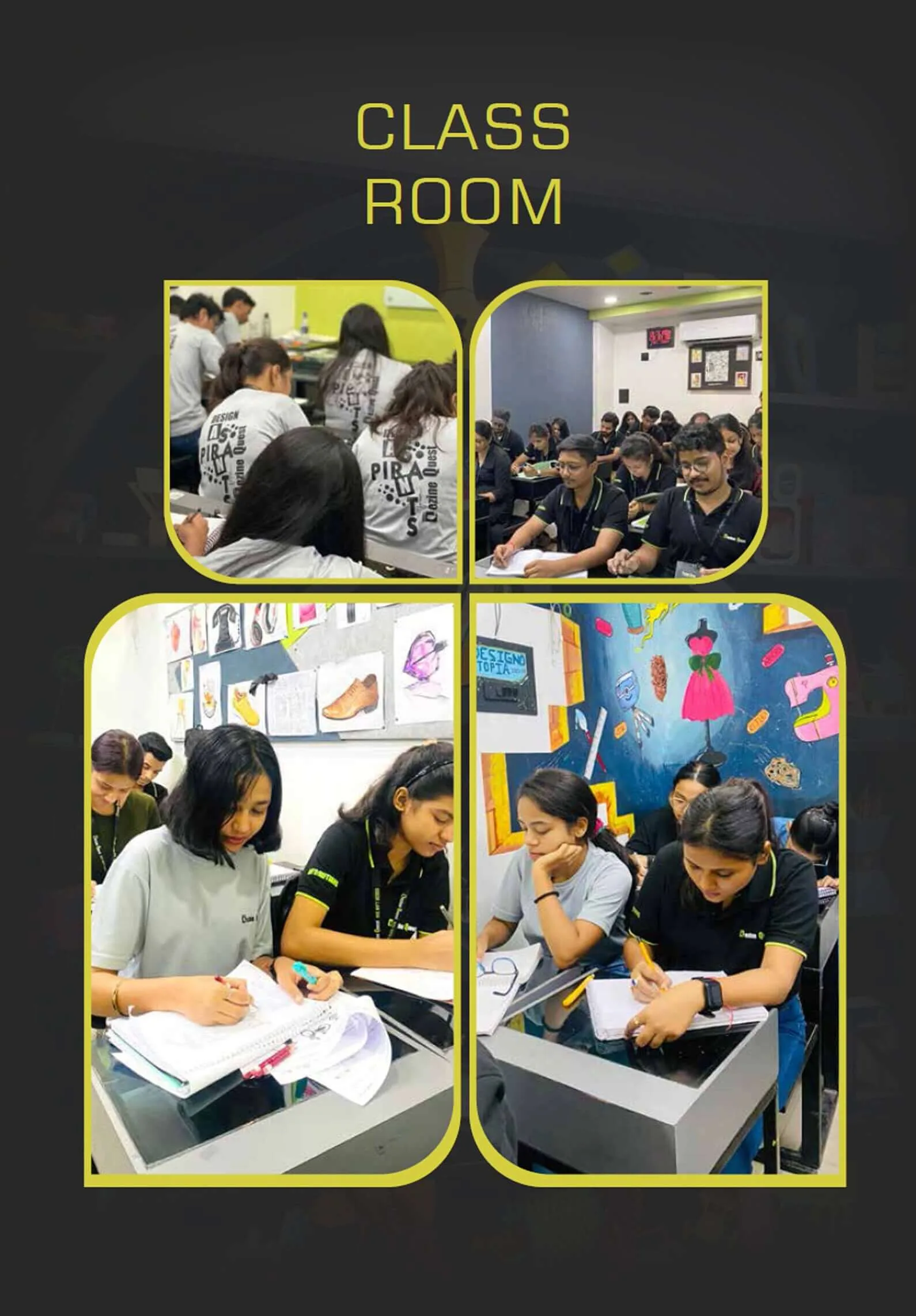
Design entrance examinations often require students to notice information quickly, retain important details and convert what they remember into a sketch, solution or visual response. This is where visual memory becomes valuable. Visual memory is the ability to remember shapes, positions, proportions, patterns, colours and relationships after the original reference is no longer in front of you. Like sketching or reasoning, it can be strengthened through regular practice.
Why Visual Memory Matters for Design Aspirants
A student with stronger visual recall can reconstruct scenes more confidently, remember the structure of objects, notice changes in patterns and develop richer ideas from everyday experiences. It also supports observation, spatial thinking and visualisation. The aim is not photographic memory; the aim is to retain the most useful visual information and communicate it clearly.
1. Use the Look–Hide–Draw Exercise
Choose a simple object such as a cup, shoe, stapler or bottle. Observe it for 30 to 60 seconds. Hide the object and draw it from memory. Then compare your sketch with the original and mark the details you missed. Repeat the same exercise a few days later with more complex objects.
2. Practice Scene Recall
Observe a room, desk, shop counter or street corner for two minutes. Move away and list everything you remember before drawing the scene. Pay attention to the position and scale of major elements rather than tiny decorative details. This trains both memory and composition.
3. Build a Shape and Pattern Memory Routine
Create a page containing six to ten simple shapes or symbols. Study it briefly, cover it and recreate the arrangement. Gradually increase the number of elements and vary their size, direction and position. This is useful for strengthening visual sequencing and spatial recall.
4. Remember Objects from Different Angles
Study an object from the front, side and top. Close the reference and try to sketch another view from memory. This exercise connects recall with three-dimensional understanding and encourages students to think about structure rather than only surface appearance.
5. Use Visual Chunking
Instead of trying to remember every detail separately, group information into larger visual units. For example, remember a table setting as plate–glass–spoon groups or a building facade as door–window–signage sections. Chunking reduces memory load and makes complex scenes easier to reconstruct.
6. Strengthen Memory Through Story Connections
When several unrelated objects must be remembered, connect them through a short imaginary story. A pencil may become a bridge, a cup a tower and a key a character's tool. Unusual associations can make visual information easier to recall and also encourage creative thinking.
7. Review Your Errors, Not Only Your Final Sketch
After every memory exercise, compare your answer with the original reference. Ask what type of information you repeatedly forget: proportion, direction, count, placement or small features. Keeping a simple error log helps turn practice into measurable improvement.
A Simple 7-Day Visual Memory Practice Plan
- Day 1: Look–hide–draw five everyday objects.
- Day 2: Recreate a pattern of eight shapes from memory.
- Day 3: Observe a room for two minutes and draw its layout later.
- Day 4: Study one product from multiple angles and sketch an unseen view.
- Day 5: Recall and draw a short sequence of human actions.
- Day 6: Observe a public place and reconstruct the scene after returning home.
- Day 7: Repeat the weakest exercise from the week and compare your improvement.
Common Mistakes to Avoid
Do not stare at a reference for too long before every exercise, because the goal is to challenge recall. Avoid focusing only on tiny details while forgetting the overall structure. Do not judge memory practice only by artistic quality; an imperfect drawing can still reveal whether the important visual relationships were remembered correctly.
Combining Visual Memory with Design Entrance Preparation
Visual-memory practice works best when combined with sketching, observation, creative problem-solving, reasoning and timed mock tests. Dezine Quest supports aspirants preparing for design entrance examinations such as NIFT, NID and UCEED through practical assignments, concept development, evaluation and mentoring. Guided feedback can help students identify whether the real difficulty lies in observation, recall, drawing or idea communication.
Conclusion
Visual memory improves through repetition and active recall. Begin with simple objects, gradually move to complex scenes and always compare your memory with the original reference. A few focused exercises every day can make it easier to retain visual information, reconstruct ideas and communicate design solutions with greater confidence.
Frequently Asked Questions
Can visual memory really be improved?
Yes. Regular observation and active-recall exercises can strengthen the ability to retain and reconstruct visual information.
How long should I practise visual memory each day?
A focused 15 to 30 minutes can be useful when the exercises are consistent and reviewed afterwards.
Is visual memory the same as drawing skill?
No. Visual memory concerns retaining information, while drawing is one way of communicating it. Both skills can support each other.
Which design entrance exams can benefit from this practice?
Visual recall and spatial thinking can support preparation for exams such as NIFT, NID and UCEED, although aspirants should always follow the latest official syllabus and exam pattern for their target examination.
Suggested Internal Links
- NIFT coaching page
- NID coaching page
- UCEED preparation page
- Test Series page
- Sample & Previous Year Question Papers
- Contact / Enquiry page
Suggested CTA
Build stronger creative, visualisation and problem-solving skills with structured design entrance preparation at Dezine Quest. Explore coaching and practice support for NIFT, NID, UCEED and related design entrance examinations.
Publishing Note
This article has been written as a fresh standalone topic. It avoids copying the wording of the Dezine Quest pages reviewed during topic selection. Verify all exam-specific dates, syllabus, eligibility and current patterns against the latest official examination notifications before publishing time-sensitive details.